Beyond Elimination: Why Reintroduction is the Real Key to Gut Freedom
Key Takeaways
- The low FODMAP elimination phase should last only 2-6 weeks, not months or years
- Prolonged restriction can reduce gut microbiome diversity by up to 50% according to research
- Reintroduction identifies your personal tolerance thresholds, not just "safe" vs "unsafe" foods
- Systematic reintroduction prevents unnecessary long-term dietary restrictions
- The goal is to eat the broadest possible diet without triggering symptoms
IBS Definition: Irritable Bowel Syndrome is a functional gastrointestinal disorder affecting 10-15% of the global population, characterized by abdominal pain, bloating, and altered bowel habits.
Why is reintroduction essential for IBS management?
Reintroduction is essential because the elimination phase was never designed to be permanent. According to Monash University's FODMAP protocol, the elimination phase should last only 2-6 weeks, followed by systematic reintroduction to identify individual tolerance levels.
Research published in the Journal of Gastroenterology and Hepatology (2017) found that patients who remained on strict low FODMAP diets for extended periods experienced significant reductions in beneficial gut bacteria, particularly Bifidobacteria species. This can compromise immune function, nutrient absorption, and overall gut health.
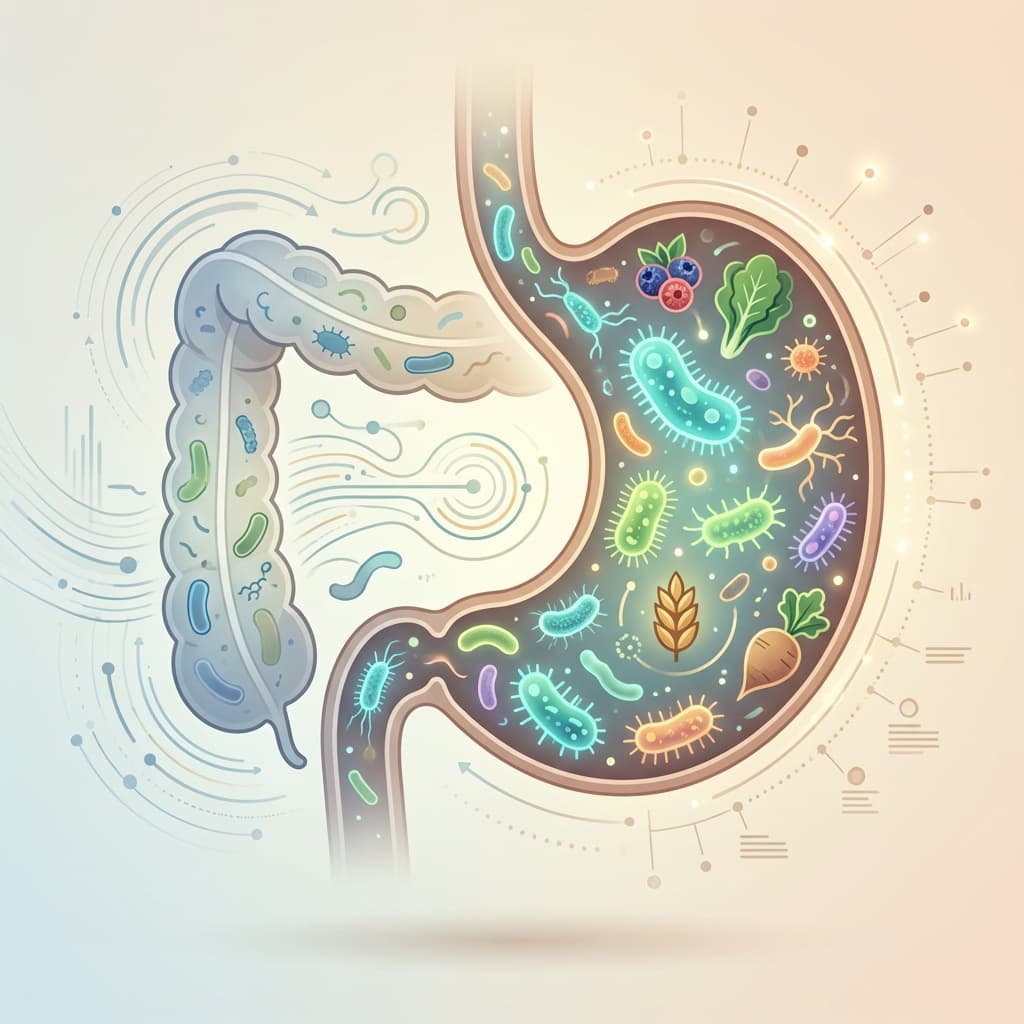
What happens to your microbiome during prolonged elimination?
The gut microbiome thrives on dietary diversity. When major food groups are eliminated for extended periods, several negative consequences occur:
Reduced bacterial diversity: A 2016 study in Gut journal demonstrated that strict FODMAP elimination reduced total bacterial abundance by 47% and specifically decreased Bifidobacteria populations. These beneficial bacteria play crucial roles in:
- Producing short-chain fatty acids (SCFAs) that nourish colon cells
- Maintaining the intestinal barrier
- Modulating immune responses
- Synthesizing B vitamins
Metabolic changes: FODMAPs serve as prebiotics, feeding beneficial gut bacteria. Their absence can shift the microbiome toward less diverse, potentially less beneficial bacterial communities.
Nutritional deficiencies: Long-term restriction of FODMAP-containing foods can reduce intake of fiber, calcium, iron, and B vitamins, particularly when eliminating dairy, whole grains, and certain fruits and vegetables.
How does the gut-brain axis affect reintroduction success?
The gut-brain axis—the bidirectional communication between the gastrointestinal tract and the central nervous system—plays a significant role in IBS symptom perception. Research from King's College London shows that anxiety about food can actually worsen physical GI symptoms through several mechanisms:
Heightened visceral hypersensitivity: Anxiety increases the perception of normal gut sensations as painful. This phenomenon, called "menu panic," can trigger the sympathetic nervous system's "fight or flight" response, which:
- Slows digestion
- Increases gut sensitivity
- Amplifies symptom perception
- Creates a cycle of food fear and avoidance
Stress hormone effects: Cortisol and other stress hormones can alter gut motility, increase intestinal permeability, and change the composition of gut bacteria, potentially worsening IBS symptoms independent of food triggers.
What is the systematic reintroduction process?
The Monash University protocol recommends a structured, three-phase approach:
Phase 1: Elimination (2-6 weeks) Strict low FODMAP diet to establish a symptom baseline. This phase should be as short as effective—typically 4 weeks for most individuals.
Phase 2: Reintroduction (6-8 weeks) Systematic testing of individual FODMAP groups in increasing doses:
- Test one FODMAP group at a time (e.g., fructans, lactose, polyols)
- Use three escalating doses over three consecutive days
- Include a 3-day washout period between tests
- Document symptoms using a standardized scale
Phase 3: Personalization (ongoing) Based on reintroduction results, create a personalized long-term diet that includes all tolerated foods at safe serving sizes. This maximizes dietary variety while minimizing symptoms.
How does data tracking improve reintroduction outcomes?
Systematic data collection during reintroduction provides several advantages:
Eliminates guesswork: Instead of wondering whether yesterday's meal or today's stress caused symptoms, structured testing with washout periods isolates the true trigger.
Identifies dose thresholds: Many people can tolerate small amounts of foods that cause symptoms in larger quantities. For example, someone might react to a whole onion but tolerate 1 tablespoon of onion powder.
Prevents false failures: Without proper washout periods, symptoms from one test food can "stack" with the next, leading to incorrect conclusions about tolerance.
Builds confidence: Objective data about personal tolerances reduces food-related anxiety and empowers informed food choices in social situations.
What are the long-term benefits of successful reintroduction?
Research demonstrates multiple benefits of completing the reintroduction phase:
Improved quality of life: A 2018 study in Clinical Gastroenterology and Hepatology found that patients who completed reintroduction reported significantly better quality of life scores compared to those who remained on strict elimination diets.
Better nutritional status: Reintroducing tolerated foods improves nutrient intake and reduces the risk of deficiencies.
Enhanced social functioning: The ability to eat a wider variety of foods reduces social isolation and improves participation in dining-related social activities.
Sustainable long-term management: Personalized diets based on individual tolerance are more sustainable than restrictive elimination diets, leading to better long-term adherence.
Related GutWiseHealth Resources
- FODMAP Assessment - Discover your gut health baseline
- Understanding FODMAPs - Learn how we verify FODMAP data
- Washout Period Guide - Why patience matters in testing