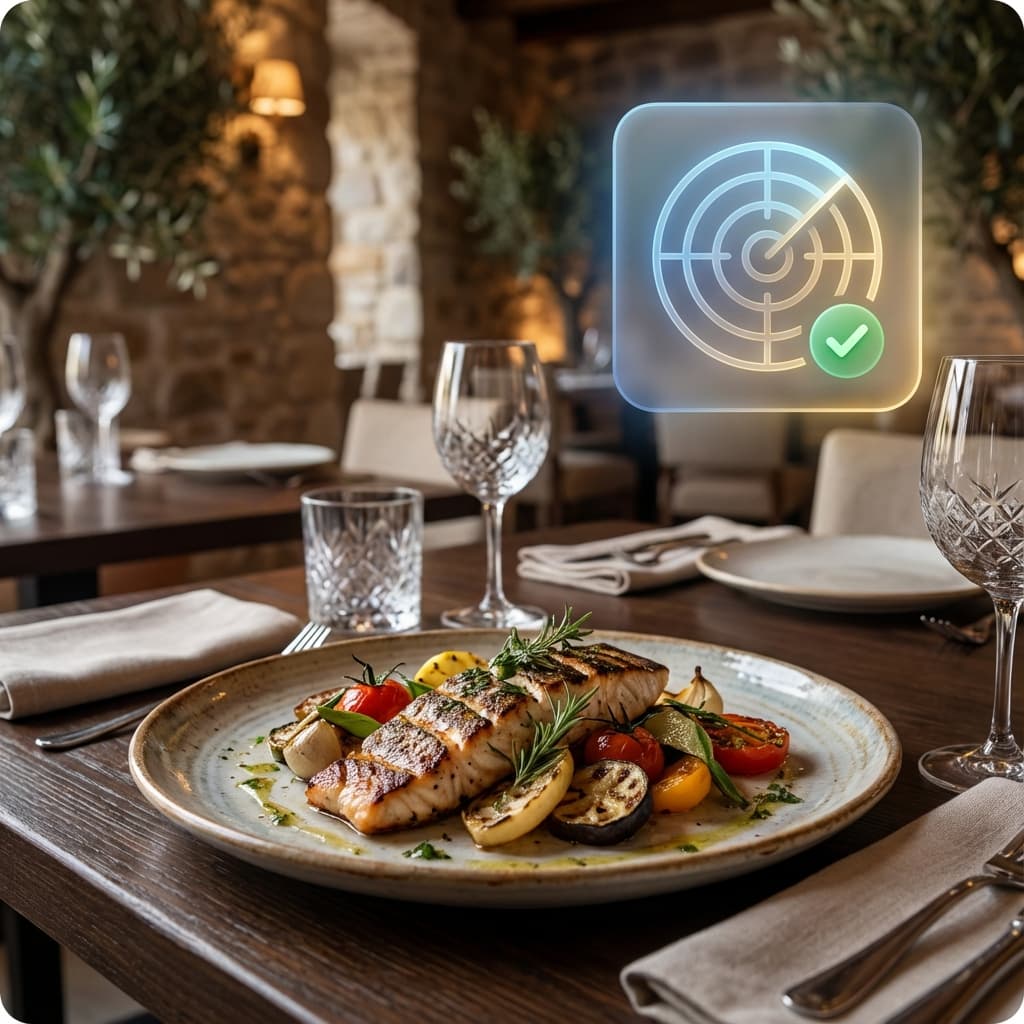
From Menu Panic to Safe Plate: Using Data to End Social Dining Anxiety
Key Takeaways
- 78% of IBS patients report avoiding social dining due to fear of symptom triggers
- Food-related anxiety can worsen IBS symptoms through the gut-brain axis
- Personalized FODMAP tolerance data enables confident restaurant dining
- Systematic reintroduction identifies safe menu options based on individual tolerances
- Data-driven approaches reduce "menu panic" and improve quality of life
Social Dining Anxiety Definition: The fear and stress associated with eating in public or social settings, particularly common among individuals with IBS who worry about unpredictable symptom triggers and limited safe food options.
Why does dining out cause anxiety for people with IBS?
Dining out causes anxiety because restaurant menus often lack detailed ingredient information, making it difficult to identify FODMAP triggers. Research published in Quality of Life Research (2020) found that 78% of IBS patients report avoiding social dining situations, and 65% experience significant anxiety when they do attend, primarily due to:
Ingredient uncertainty: Restaurant dishes frequently contain hidden FODMAPs in sauces, marinades, seasonings, and cooking methods. Common hidden triggers include:
- Garlic and onion in virtually all savory dishes
- High-fructose corn syrup in dressings and sauces
- Wheat-based thickeners in soups and gravies
- Lactose in cream-based preparations
- Honey in glazes and marinades
Limited control: Unlike home cooking, diners cannot control ingredient selection, portion sizes, or preparation methods, creating a sense of helplessness that amplifies anxiety.
Social pressure: The fear of appearing "difficult" or "high-maintenance" when requesting modifications can prevent people from advocating for their dietary needs, leading to either symptom triggers or social isolation.
How does the gut-brain axis amplify dining anxiety?
The gut-brain axis—the bidirectional communication network between the gastrointestinal tract and the central nervous system—plays a critical role in IBS symptom severity. Research from King's College London demonstrates that psychological stress directly affects gut function through several mechanisms:
Visceral hypersensitivity: Anxiety lowers the threshold for pain perception in the gut. A 2019 study in Gastroenterology using functional MRI showed that anticipatory anxiety about food increased activation in pain-processing brain regions, making normal gut sensations feel painful.
Altered gut motility: Stress hormones, particularly cortisol and corticotropin-releasing factor (CRF), directly affect gut muscle contractions. This can cause:
- Accelerated transit (leading to diarrhea)
- Slowed transit (leading to constipation)
- Irregular contractions (causing cramping and bloating)
Increased intestinal permeability: Chronic stress can compromise the intestinal barrier, potentially allowing bacterial products and food antigens to trigger immune responses and inflammation.
Microbiome changes: Stress alters gut microbiome composition, potentially increasing populations of gas-producing bacteria and reducing beneficial species, which can worsen IBS symptoms independent of food triggers.
What is the "social prison" effect?
The "social prison" effect describes the progressive social isolation that occurs when food-related anxiety leads to avoidance of dining situations. This creates a self-reinforcing cycle:
Initial avoidance: After experiencing symptoms at a restaurant, individuals begin declining invitations to dine out.
Skill atrophy: Without practice navigating restaurant menus and requesting modifications, confidence and skills for safe dining diminish.
Increased isolation: As social connections weaken, feelings of loneliness and depression increase, which through the gut-brain axis can actually worsen IBS symptoms.
Quality of life impact: A 2018 study in Alimentary Pharmacology & Therapeutics found that IBS patients who avoided social dining reported significantly lower quality of life scores across multiple domains including:
- Social functioning (42% reduction)
- Emotional well-being (38% reduction)
- Vitality and energy (35% reduction)
- General health perception (31% reduction)
How does personalized FODMAP data enable confident dining?
Completing systematic FODMAP reintroduction provides concrete data about individual tolerances that can be applied to restaurant dining:
Dose-response understanding: Reintroduction reveals not just which FODMAPs trigger symptoms, but at what quantities. For example, discovering you can tolerate 1 tablespoon of onion but not 1/4 cup allows you to request "light onion" rather than complete elimination.
FODMAP group clarity: Understanding which specific FODMAP groups you react to (fructans, GOS, lactose, polyols, or excess fructose) enables targeted menu navigation. Someone who tolerates fructans but reacts to lactose knows they can have garlic bread but should avoid cream sauces.
Confidence through knowledge: Objective data about personal tolerances reduces the guesswork and anxiety associated with menu decisions. Instead of fearing every dish, you can systematically evaluate options based on known tolerances.
What strategies help navigate restaurant menus with IBS?
Several evidence-based strategies can reduce dining anxiety and improve outcomes:
Pre-visit menu research: Many restaurants post menus online. Reviewing options in advance allows calm, rational decision-making rather than anxious, rushed choices at the table.
Strategic modifications: Research from Monash University suggests these effective modification strategies:
- Request garlic-infused oil instead of fresh garlic (fructans don't infuse into oil)
- Ask for grilled proteins without marinades
- Request sauces and dressings on the side
- Choose simple preparations (grilled, roasted, steamed) over complex dishes
- Substitute gluten-free options when wheat is the primary trigger
Communication techniques: Clear, confident communication with servers improves outcomes:
- Use specific language: "I have a medical condition that requires avoiding onions" rather than "I don't like onions"
- Ask about preparation methods: "Is this dish made with cream or butter?"
- Request to speak with the chef for complex modifications
- Express appreciation for accommodation
Portion awareness: Even tolerated foods can trigger symptoms in excessive quantities. Sharing dishes or requesting half portions can prevent symptom triggers while maintaining dietary variety.
How does data-driven dining differ from restrictive avoidance?
Traditional approaches to IBS and dining often involve broad avoidance of "risky" foods or situations. Data-driven approaches based on completed reintroduction offer several advantages:
Precision over restriction: Instead of avoiding all Italian restaurants because they use garlic, you can confidently order dishes knowing you tolerate garlic-infused oil but not fresh garlic.
Flexibility and adaptation: Understanding your tolerances allows real-time decision-making. If a restaurant can't accommodate a modification, you can pivot to alternative menu items rather than leaving hungry and frustrated.
Reduced anxiety: Objective data about what you can and cannot tolerate reduces the emotional burden of food decisions. Anxiety decreases when choices are based on evidence rather than fear.
Improved adherence: Overly restrictive approaches often lead to "all or nothing" thinking where one perceived mistake triggers complete abandonment of dietary management. Flexible, data-driven approaches are more sustainable long-term.
What role does self-advocacy play in successful dining?
Self-advocacy—clearly communicating dietary needs and requesting appropriate accommodations—is essential for successful restaurant dining with IBS:
Legal protections: In many jurisdictions, food allergies and intolerances are covered under disability accommodation laws, giving you the right to request reasonable modifications.
Restaurant incentives: Most restaurants want to accommodate dietary needs to ensure customer satisfaction and return visits. Clear communication helps them help you.
Empowerment: Advocating for your needs reinforces that your health requirements are valid and important, reducing shame and building confidence.
Modeling behavior: When you confidently request modifications, you normalize dietary accommodations for others with similar needs and educate restaurant staff about IBS and FODMAPs.
How can technology support data-driven dining decisions?
Modern technology offers tools to bridge the gap between personal FODMAP tolerance data and restaurant menu navigation:
FODMAP databases: Apps like the Monash University FODMAP Diet App provide searchable databases of tested foods with serving size information.
Menu analysis tools: Some platforms analyze restaurant menus and flag potential FODMAP triggers based on common ingredients and preparation methods.
Personal tracking: Digital food and symptom diaries help identify patterns and refine understanding of individual tolerances over time.
Community resources: Online communities share restaurant-specific tips, safe menu items, and modification strategies for popular chains.
Related GutWiseHealth Resources
- FODMAP Reintroduction Guide - Build your personal tolerance database
- FODMAP Assessment - Discover your gut health baseline
- Understanding FODMAPs - Learn about FODMAP science